Right now, 100% of Colorado is experiencing abnormally dry conditions or drought.
That means roughly 4.3 million residents are feeling the effects of water scarcity across the state. The winter of 2025–2026 was also one of the warmest and driest on record, leaving already limited water supplies under even greater strain heading into the irrigation season.
I recently spoke with a rancher about the challenges ahead this year. He shared:
“I want to protect the environment and do right by wildlife, but I have to look out for myself. It’s a matter of my survival now.”
When everyone is forced to prioritize their own survival in a year like this, who is left to protect wildlife and the environment?
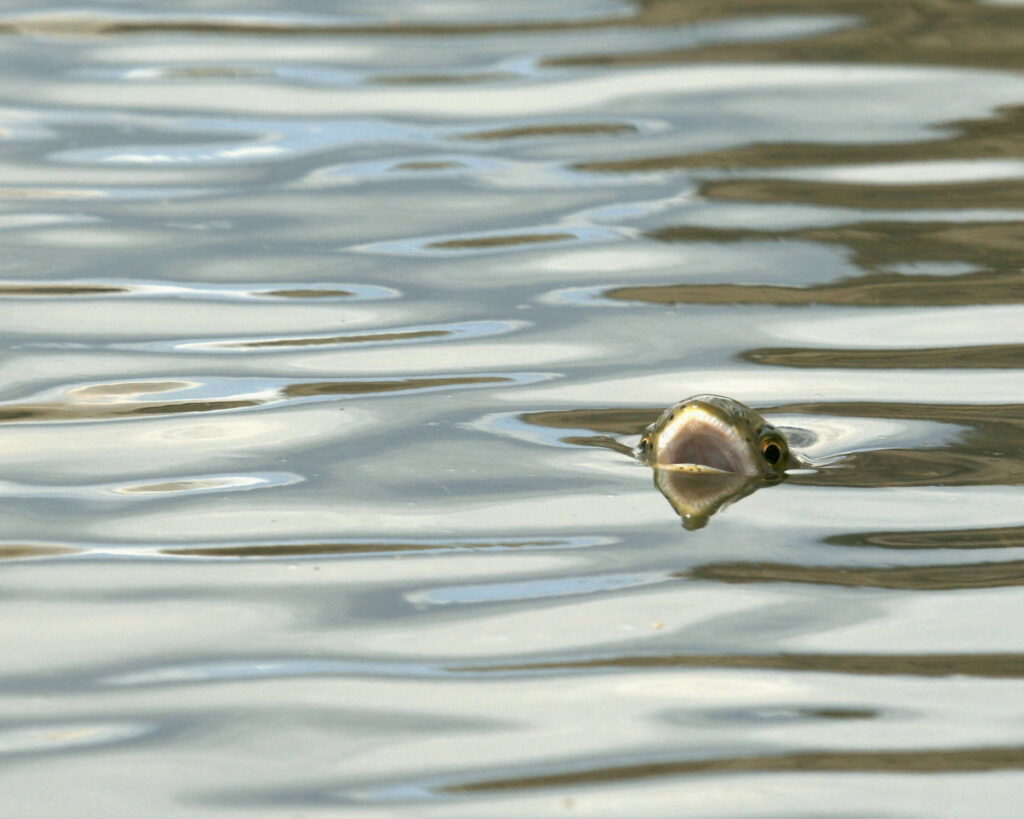
A Fish Out of Water
Drought is strongly impacting fish populations across Colorado’s rivers and streams through multiple interacting stressors. As water levels drop and temperatures rise, nonnative species gain an advantage over native fish that are less tolerant of warm, degraded habitats. Reduced streamflows fragment habitat, and fish populations can be severely reduced during drought years. Warmer water also holds less oxygen, concentrates pollutants, and increases physiological stress, limiting growth and reproduction.
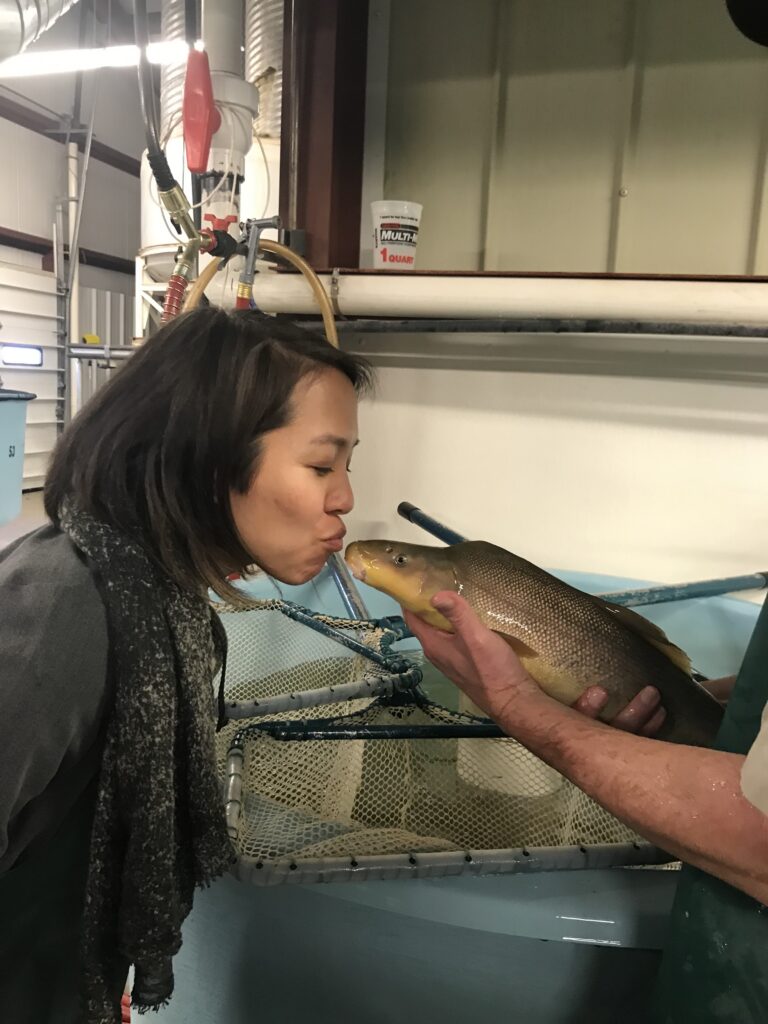
Drought further disrupts food webs by reducing macroinvertebrates, the aquatic insects that many fish depend on, with studies showing up to 50% declines in density during low-flow periods, along with shifts in community structure. The loss of peak flows also prevents rivers from flushing sediment and maintaining healthy spawning habitat.
These changes carry major economic impacts as well. Recreational fishing generates an estimated $2–2.4 billion annually in Colorado and supports more than 15,000 jobs, so declines in fish populations directly affect angling, tourism, and rural economies. Together, these cascading effects are reshaping river systems and making it increasingly difficult for native fish to persist.
The Canary in the Coal Mine
Wildlife has long served as early warning indicators of environmental change, much like the “canary in the coal mine.” In the arid American West, prolonged drought over recent decades has been linked to declines in many bird species, signaling broader stress across ecosystems. In Colorado, drought affects wildlife broadly by reducing water availability, shrinking habitat, and limiting food resources across entire food webs. These conditions force many species to shift ranges, compete more intensely for limited resources, or experience lower survival and reproduction.
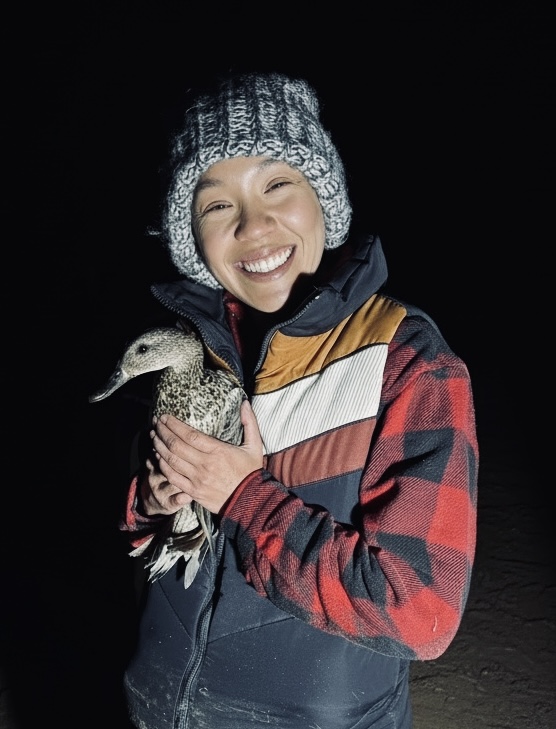
Bird populations are especially sensitive to these changes in riparian, wetland, and dryland ecosystems. Studies across the Northern Colorado Plateau show many landbirds decline in density during dry years, with about 70% of species, habitat combinations responding strongly to water deficits. Waterfowl such as ducks are particularly affected as drought reduces wetlands and nesting habitat while also limiting food availability and increasing predation pressure. Overall, drought reduces bird abundance and diversity while reshaping species composition across the landscape.
Call to Action
So if fish, birds, and other wildlife are being affected by drought, but are not always legally protected or directly represented in water negotiations, who is responsible for their wellbeing, and what do we do? Is it fair for ranchers, cities, and other water users to look out for themselves first? In many ways, yes. That’s how the system is structured. But during drought, it also becomes clear we can’t operate in isolation. We have to work together to ensure there is enough water for people and the ecosystems that support everything else.
Drought can push that cooperation forward. In Colorado’s past droughts—like 2002, 2012, and 2018—crisis conditions led to tools and agreements still used today, including shortage-sharing arrangements, temporary water leasing, and more flexible reservoir operations. These weren’t perfect solutions, but they show that pressure can drive lasting innovation.
What we’ve learned is simple but important: even in a fully allocated system, water still needs to flow in canals and streams to get from one user to another. And the question we’re left with is whether, after human demands are met, there is still enough flow left in streams and rivers to support fish, birds, and broader ecosystem health.
This is where Colorado Water Trust comes in. Colorado Water Trust works to restore and protect flows in Colorado’s rivers and streams by using voluntary, collaborative tools like water leasing, donations, and temporary water transactions. By partnering with farmers, ranchers, municipalities, and other water rights holders, Colorado Water Trust helps keep water in rivers when and where it’s needed most for habitat and wildlife.
As Colorado faces intensifying drought and ongoing negotiations over systems like the Colorado River, I’m asking us to expand the conversation, not just how we share water between users, but how we also make space for the river itself. Because sharing water with fish and birds isn’t separate from water management, it’s part of making the system work for all of us in the long run.

Jojo La
Board Member
Colorado Water Trust
Jojo La serves on the Board of Directors for the Colorado Water Trust. She is the Manager of Conservation Programs at Ducks Unlimited, where she leads Colorado’s wildlife habitat conservation efforts. Previously, she served as Director of Colorado’s Environmental Boards and Commissions and as Endangered Species Policy Specialist with the Colorado Department of Natural Resources and the Colorado Water Conservation Board. She is also a lecturer at the University of Colorado Boulder, where she teaches courses on the intersection of science, policy, and politics.