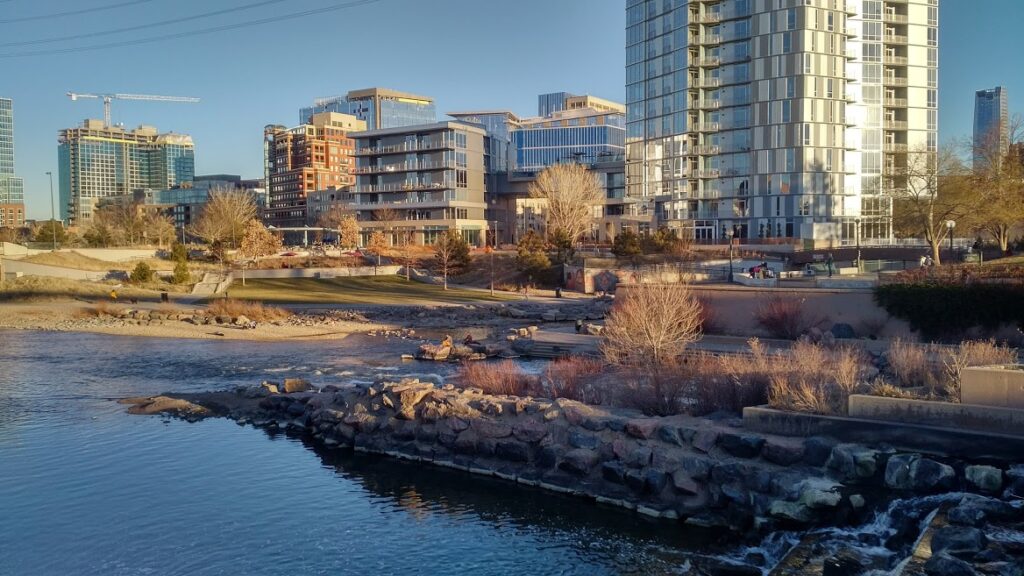
As graduate students, we’re used to diving into research papers and policy reports. But over the past few months of our capstone project with the Colorado Water Trust, we’ve had the chance to step outside the classroom and experience how people connect with their urban streams—by learning, listening, and participating in these activities alongside the community.
If you aren’t familiar with our project, we’ve been posting updates on our progress here on Colorado Water Trust’s blog. You can catch up by reading the following entries:
- Restoring Flows in Urban Colorado: A New Frontier for Colorado Water Trust, which lays out the vision behind exploring opportunities in flow restoration in Colorado’s urban streams. It sets the stage for why this work matters and the new opportunities it presents.
- Streams of Change: Masters of the Environment Capstone Team Joins Colorado Water Trust introduces the Masters of the Environment Graduate Consultant Team supporting that vision on the ground, and how our capstone project builds on this momentum.
Using our learning, listening, and participating approach, we’ve been exploring how people in urban areas connect with the waterways running through their cities—and why those connections matter.
Learning: From peer-reviewed studies to local planning— understanding how urban communities in Colorado and abroad interact with the waterways running through their cities.
Literature Review
As part of our research, we’ve been compiling and analyzing a mix of 53 articles consisting of peer-reviewed articles and Colorado local and state media coverage, for a literature review. We have been exploring how people in urban areas—both locally and globally—value and interact with their urban waterways. We first did a historical review examining how humans have used and managed waterways in relation to urbanization and how this has shaped these waterways today. Next, we compared this information to 30 Colorado-specific documents consisting of Stream Management Plans (SMPs), City Masterplans, and Comprehensive and Strategic plans created by cities and towns around the state.

We identified numerous multi-use benefits from the themes identified in the literature review that urban waterways can provide to the community that we would like to highlight below:
- They can play an important role in supporting a city’s green infrastructure initiatives through holistic approaches.
- They are vital for economic growth in several of Colorado’s sectors.
- They make cities and towns more resilient to natural disasters such as wildfires and floods.
- They act as a center point for a community to gather around through recreational amenities, which offer both mental and physical health benefits.
- They also provide important ecological services to both humans and wildlife.
Here are some specific examples of how urban waterways are helping to support the needs cities:
Flood Protection: When thinking about urban waterways in terms of infrastructure, a healthy stream with enough water and riparian space provides flood mitigation, which is of critical importance within our increasingly impermeable cities. This benefit is the foundation of local flood control protections that have been implemented since the 2013 Colorado Flood, which forced cities in the Northern Front Range to seriously reexamine how these waterways were being managed and how restoration efforts could be used as a tool for future flood protection. Other cities have followed suit in recent years as we’re learning that the reorganization of waterways can have unintended consequences such as increased flooding in municipal areas.
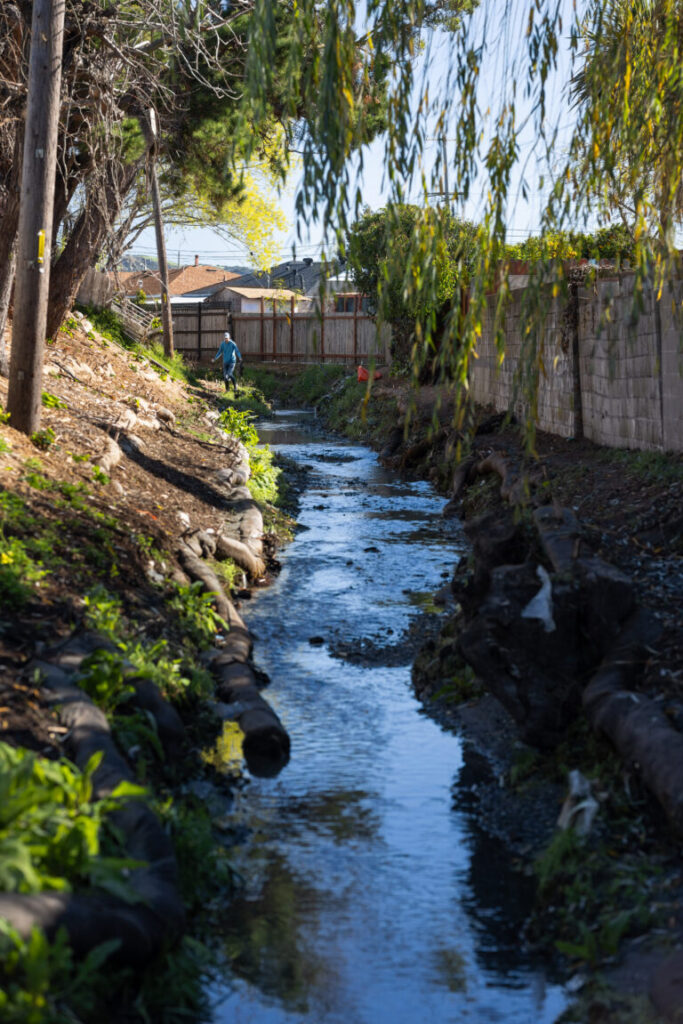
Urban Heat Island (UHI) Mitigation: As the earth’s temperature continues to rise, cities are reevaluating ways to cool down urban areas with concentrated heat due to infrastructure like roadways, the use of concrete building materials, and a lack of vegetation such as trees. This is known as Urban Heat Island (UHI) Mitigation. With the implementation of green infrastructure, cities can use urban waterways as a tool in creating a more holistic plan of action for future heat concerns. This is because urban waterways contribute to evaporative cooling, while the vegetation lining urban streams offers shading and evapotranspiration. Researchers in Shanghai, China found that the width of an urban waterway played a dominant role in heat mitigation during heatwaves throughout the country in 2022. Broader channels are able to absorb and dissipate more heat, helping to offset the heat of the city.
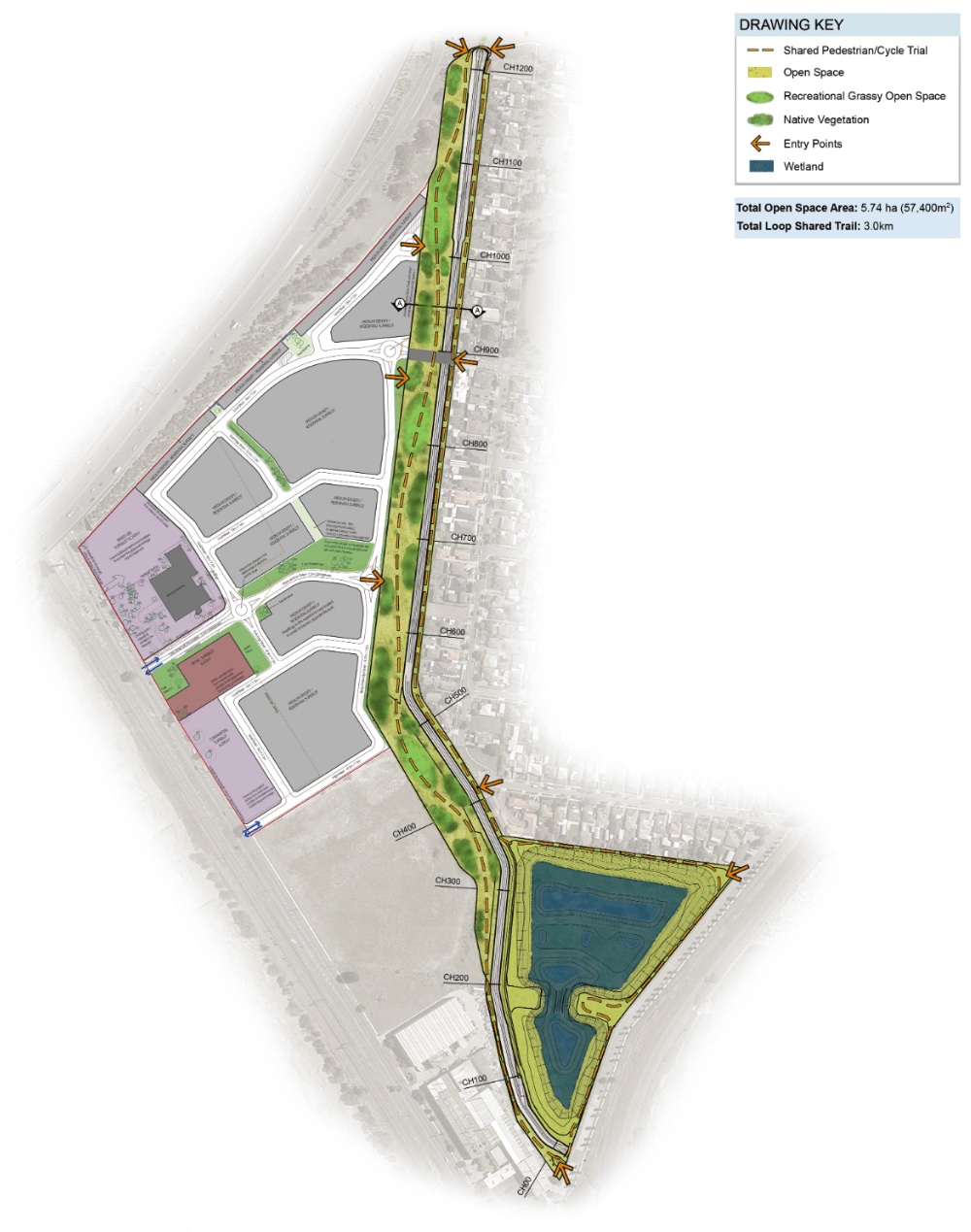
Despite these benefits, historically, urban waterways have been used as sinks for pollution through industrial processes. Deteriorated water quality, frequency and magnitude of high-flow events, and biological responses such as declining wildlife in response to urbanization, have had negative implications for society and the planet’s waterways. Experts have coined the term, “Urban Stream Syndrome” to describe the impact of urbanization on waterways around the globe.
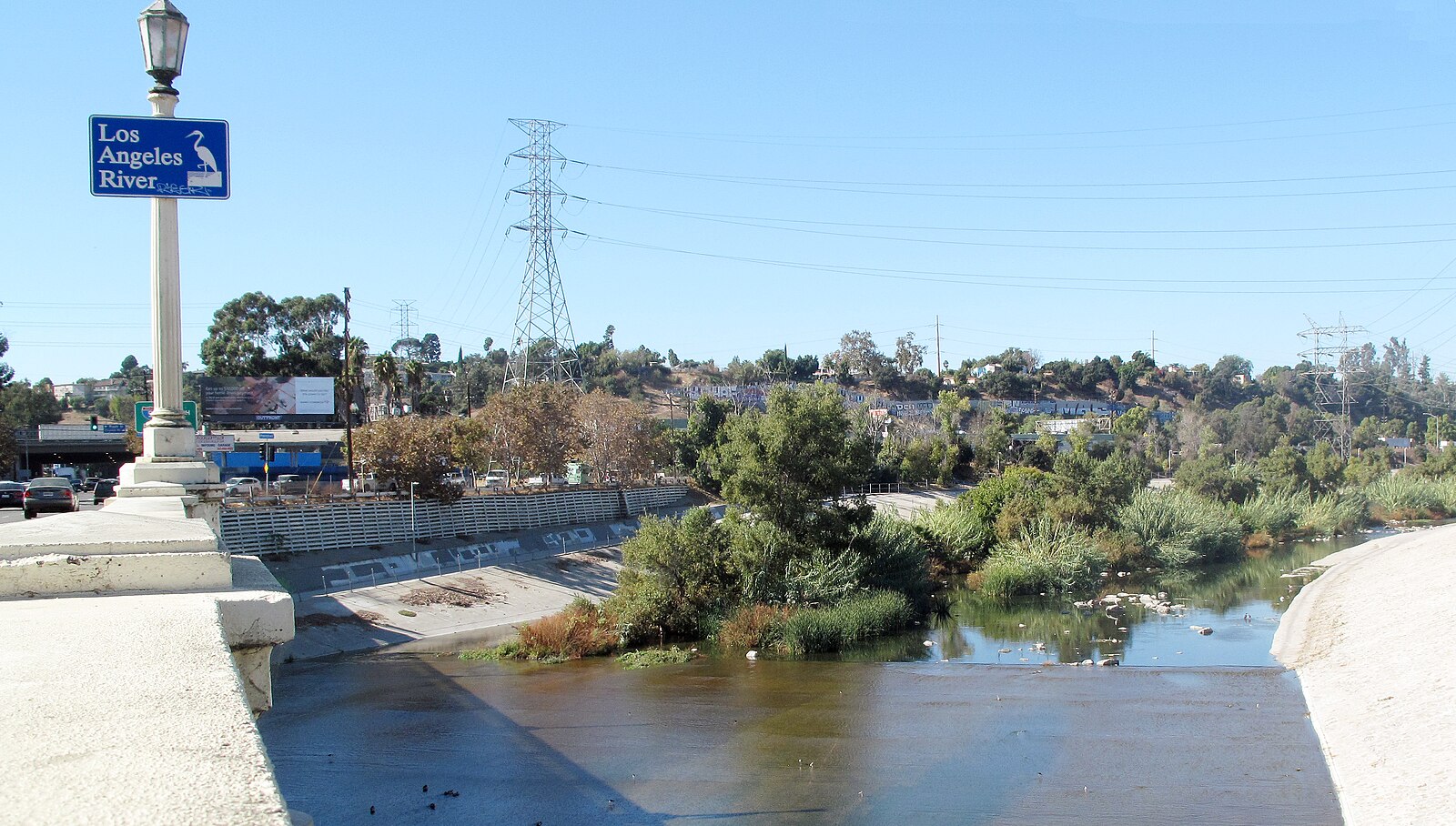
However, in recent decades, humans’ interest in using these areas for recreational purposes has led to a rediscovery of urban waterways or “blue spaces” and the mental and physical health benefits that they can provide to society. Across the world, urban streams provide a center point around which communities gather, strengthening social bonds and cohesion while contributing to a city’s economic prosperity. They offer a place to connect with nature within our built environments, a quiet reprieve from the hustle and bustle of city life for some, and a space for recreation and physical activities for others.
With these well documented benefits, one must acknowledge potential impediments that exist in balancing the needs of society, nature, and enterprise and the implementation of urban water management. We identified 5 primary barrier themes including:
- Community buy-in
- Monetary
- Public safety
- Spatial
- Gentrification

Community Buy-In
There is strong consensus among scholars and practitioners alike that urban streams are worth protecting and/or restoring. Importantly, though, our research revealed the importance of creating paths for community buy-in to participate in decision-making processes during stream restoration efforts and implementation. Authors in this study examined 11 real-world urban stream restoration projects through a structured gap analysis to identify weaknesses in how project goals and objectives were set and pursued. Key Insights included:
- Limited inclusion of stakeholders: Many restoration efforts underperform when managers fail to meaningfully involve communities, leading to misaligned goals and expectations.
- Narrow vision: Projects with narrow objectives often miss the broader suite of values—social, ecological, cultural—that communities hold.
- Incremental expectations: Framing restoration goals as achievable, stepwise outcomes enables better alignment with stakeholder expectations and realistic planning.
Aligning the community’s wants and needs with the goals of the work being done on urban streams greatly increases the chances of success by establishing community buy-in and support throughout. If a community wants access to the stream and an organization’s main goal is ecological preservation, then a park can be designed to ensure both recreation and preservation needs are met.
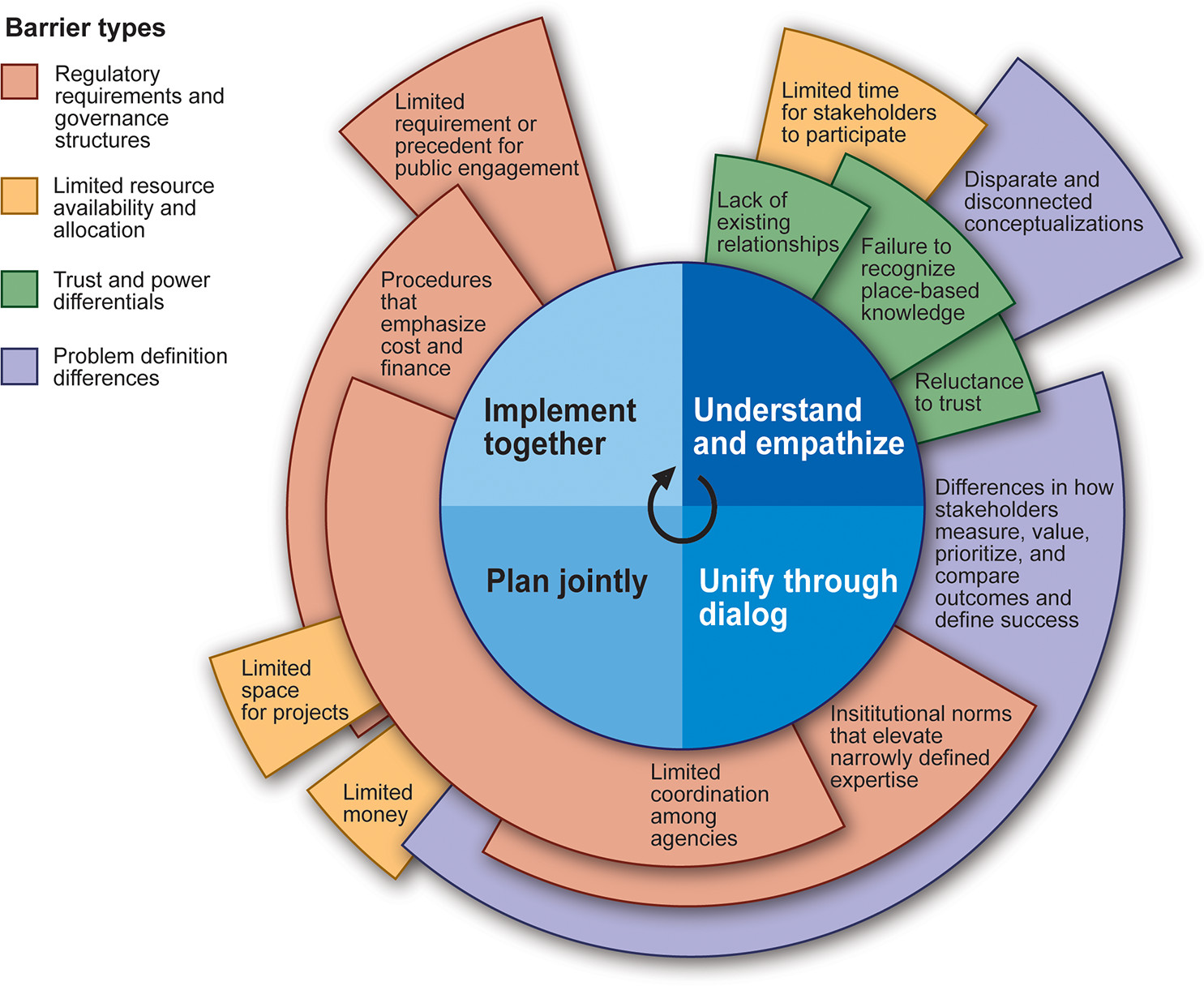
These are just a few of the many benefits and barrier themes noted in current literature. By understanding these broader patterns and themes, we hope to bring new insights to the conversation around the role that urban waterways play here in Colorado, especially when it comes to centering community values in the process.
Urban Stream Database
To better understand the major characteristics of rivers, streams, creeks, or other naturally flowing water features found in towns with populations over 1,000 in Colorado, we are creating an urban stream database consisting of nearly 150 cities and towns around the state that are situated on a major stream. This database will provide insights into prominent features found within Colorado cities and towns in relation to the urban waterway flowing through their communities and is useful in understanding what they share in common and what makes them unique.
Listening: Tapping into local knowledge to better understand the challenges and potential of urban streams.
When attempting to analyze how communities value urban waterways, two methods economists use includes analyzing Stated and Revealed preferences. Stated preference (SP) methods rely on what people say they prefer, often gathered through surveys or hypothetical scenarios. In contrast, revealed preference (RP) methods analyze what people actually do—their real-world behaviors and decisions. In essence, SP captures expressed desires, while RP reveals actual choices. To better understand this relationship, we have developed a survey for various Colorado stakeholders.
Survey: The next phase of our project is a state-wide survey of water users that will provide a better understanding of the opportunities and constraints urban streams face. This is an opportunity for water managers, nonprofits, local businesses, local governments, and other entities to interact with urban waters to share some context and knowledge about their urban streams.
Please keep an eye out for future blog posts from the Colorado Water Trust if you are interested in taking this survey and have insights into how people interact, use, and manage their urban streams.
Participating: Observing how Coloradans celebrate, steward, and connect with their urban streams.
As a team, we believed it was important to experience how Coloradans interact with urban waterways in the Front Range directly, by attending a few of the many water-related events alongside them this summer.
2025 Longmont Water Fair

To better understand how Longmont community members in the St. Vrain Watershed interact with this urban waterway, we attended the 2025 Longmont Water Fair, hosted by the non-profit organization, Colorado Water Stories. This organization works as an ongoing arts and environment project that promotes water knowledge and celebration. The goal of this event was to educate children on the journey of how one rain drop moves all the way from the mountains and into their homes. At this event, Caleb and Gisela supported the Colorado Water Station- one of nine activity stations which educated children and their families about the 7 states located within the Colorado River Basin.


2025 Watershed Summit

We attended Colorado’s 10th annual Watershed Summit, affectionately known as “The Shed”, which was hosted at the Denver Botanic Gardens. It is here, every June, that stakeholders gather to discuss current and future water challenges and opportunities facing the state. During this summit, we learned how the State of Colorado is planning for population growth and water conservation in the face of scarcity in the next 50 years.
Cross Currents Music Festival

Gisela attended Denver’s annual Cross Currents Music Festival fundraiser hosted by The Greenway Foundation. This event was a great opportunity to see how the people of Denver use and appreciate the South Platte River as it runs through downtown. Families and dogs alike spent the afternoon splashing in the water and picnicking in the grass while enjoying the live music and watching other festival goers’ tube down the river. The atmosphere was lively and certainly enhanced the community’s appreciation of the South Platte River. Restoration efforts at the Shoemaker Plaza and Confluence Park where this festival took place have led to a rediscovery of this urban waterway within the City of Denver. It is now easier for the entire community to get down to the river with improvements to bike and pedestrian traffic which created separate paths for cyclists and walkers. Water quality was taken into consideration after the discovery of coal tar from previous industrial uses on the South Platte, and now you can find people safely swimming in this waterway.
Across the world, urban streams provide a center point around which communities gather, strengthening social bonds and cohesion while contributing to a city’s economic prosperity. They offer a place to connect with nature within our built environments, a quiet reprieve from the hustle and bustle of city life for some, and a space for recreation and physical activities for others.
Learning, listening, and participating: Insights for the ongoing conversation on urban waterways
By understanding these broader patterns, we hope to bring new insights to the conversation around how urban waterways are used in Colorado, especially when it comes to centering community values in the process.
If you would like more information about this project or how you or your community could be involved, please reach out to Josh Boissevain, Staff Attorney, at jboissevain@coloradowatertrust.org.